
Outliers: Nature’s clues to life-saving discoveries
This article is based on research that linked a genetic variation to low levels of the LDL cholesterol and reduced risk of heart disease.

Debraj Manna
Science Writer and Postdoctoral Researcher, Indian Institute of Science, Bangalore
16-October-2025
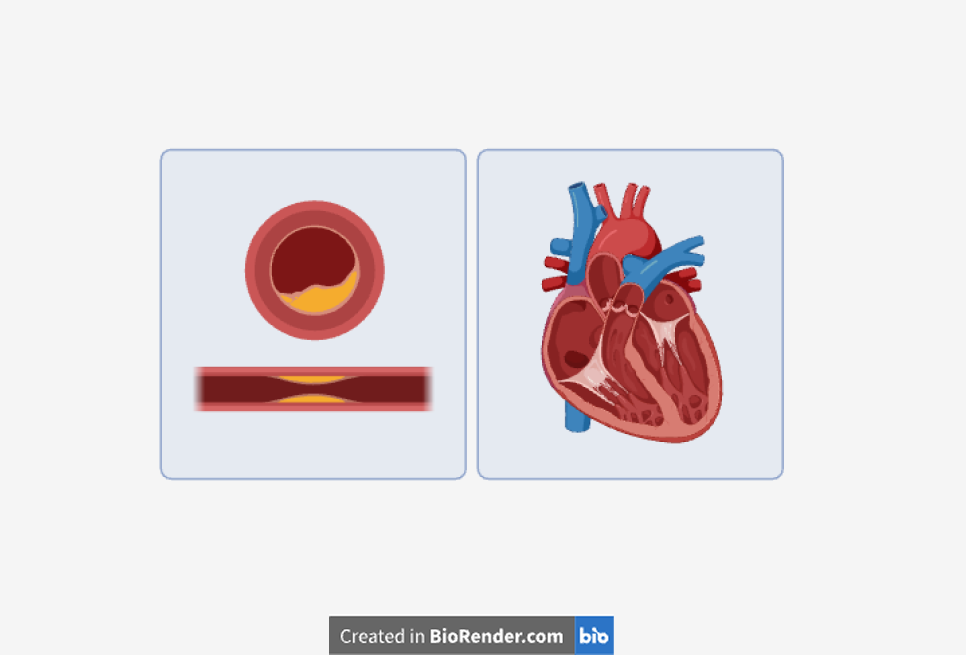
In the early 2000s, doctors in Dallas encountered a woman whose cholesterol levels seemed almost biologically implausible. Her LDL (low-density lipoprotein) cholesterol (the “bad cholesterol”) was barely detectable, yet she was healthy, showing no apparent side effects from living with such low lipid levels. For most clinicians, such numbers would raise immediate concern. For Helen H. Hobbs (Investigator at the Howard Hughes Medical Institute and Professor at the University of Texas Southwestern Medical Center, USA), they represented an opportunity. This natural experiment demonstrated what happens when a key lipid-regulating pathway is effectively switched off. By tracing the genetics of this woman and others like her, Hobbs and her collaborators found that variations in the gene PCSK9 could inhibit its action, dramatically reducing heart disease risk.
Outliers as nature’s clues
The discovery was no accident. Hobbs helped establish the Dallas Heart Study, a population-based project designed to identify biological extremes. Unlike many registries, it did not rely solely on hospital patients or homogenous cohorts. Instead, it deliberately oversampled African American and Hispanic participants to better capture human variation. This increased the likelihood of identifying rare alleles with significant effects, which could serve as natural experiments in gene function.
Hobbs delivered the 2019 TNQ Distinguished Lecture on “Genetic disorders of dietary excess: Getting to the heart of the matter” in India (Hyderabad, Bengaluru, and New Delhi). She emphasised that outliers should never be dismissed as statistical noise. A person whose cholesterol levels are far outside the norm may hold the key to understanding entire lipid metabolism pathways. The philosophy was radical but straightforward: focus on the data at the tails and let extremes guide biological inference.
PCSK9: Nature’s proof of principle
The most obvious vindication came with the gene encoding proprotein convertase subtilisin/kexin type 9 (PCSK9). Hobbs’ team discovered that individuals with unusually low LDL carried mutations in this gene. Their 2006 New England Journal of Medicine paper showed that people carrying a single loss-of-function allele had LDL ~ 28 percent lower than average, while those with two defective copies had levels near zero—yet remained healthy. These carriers also had a striking reduction in coronary heart disease risk.
The translation was swift. Within a decade, pharmaceutical companies developed monoclonal antibodies against PCSK9. Clinical trials confirmed dramatic LDL depletion and reduced cardiovascular events. Genetic evidence had de-risked the target, giving developers confidence that pharmacological inhibition would be effective and tolerated.
A new dimension
Hobbs’ approach did not stop with PCSK9. By sequencing families with extreme lipid profiles, her team identified mutations in Angiopoietin-like 3 (ANGPTL3), a gene with broader influence. Loss-of-function variants led to combined hypolipidaemia — reductions in LDL, HDL (high-density lipoprotein), and triglycerides — demonstrating that a single pathway can reshape multiple lipid classes. Again, carriers were healthy, suggesting therapeutic inhibition might be potent and safe.
The discovery of the mutations moved to the clinic. Regeneron developed evinacumab, an antibody against ANGPTL3. In 2021, the US FDA approved it as an add-on therapy for homozygous familial hypercholesterolaemia (HoFH), a condition often resistant to conventional drugs. This underscored the strength of Hobbs’ strategy. Again, a rare genetic observation that was traced and validated became the basis for real therapies.
Why the outlier strategy worked
The logic behind Hobbs’ approach is compelling. First, humans with loss-of-function mutations act as nature’s randomised trials. If people missing the gene function are viable, a drug mimicking the loss will be safer. Second, the effects are often significant. Common variants shift cholesterol levels slightly, but rare loss-of-function mutations significantly reduce them, clarifying the biological signal. Third, prioritising diversity increased the likelihood of finding such alleles. Indeed, PCSK9 variants were prevalent in African American participants, highlighting the value of multiethnic sampling.
This approach has since become a template for translational genetics. Large biobanks, like the UK Biobank and the All of Us Research Program in the US, are now mining their data for similar natural “knockouts,” seeking other therapeutic opportunities.
Challenges and caveats
The model has its limits. Not every loss-of-function variant translates into a safe drug target. Some genes are highly pleiotropic—disrupting them has multiple downstream effects, some appearing only over time. Even clear targets can produce costly therapies. PCSK9 inhibitors and evinacumab are highly effective but expensive, raising questions about access and equity. These issues do not diminish the scientific achievement but highlight that translating genetics into medicine is as much a social challenge as a biological one.
A template for tomorrow’s medicine
Hobbs has transformed how we view outliers. By investigating individuals at the extremes of cholesterol metabolism, she helped transform the treatment of cardiovascular disease. Her work bridges gene discovery and clinical therapy, emphasising diversity in research cohorts and equity in access. In rare human variations, Hobbs developed a model that shows how genetics can deliver safer and more effective treatments.